

Internal post-tensioning for bridges
VSL’s internal post-tensioning systems deliver proven strength and durability for bridges worldwide. Combining decades of expertise with fully bonded multistrand tendon technology, these systems meet top international standards, ensuring structural integrity, long service life, and sustainable bridge performance.
Why choose VSL system
- Proven global performance with more than 60 years of innovation
- Full compliance with European Technical Assessment (ETA) and international standards
- Designed according to fib33 for enhanced durability with high-performance encapsulation systems to address any structure exposure.
- Supported by in-house engineering, R&D, and certified installation services
Key features

Applications
VSL’s internal post-tensioning systems adapt to all structural requirements. They support strength, stress introduction, crack management, and nail application. The systems deliver durable and high-performance solutions for diverse applications:
- Bridge girders (cast-in-situ and precast)
- Segmental bridges
- Box girders and deck slabs
- Stay cable anchoring abutment blocks
- Containment and tunnel linings in bridges with complex geometry
PT and timber structures
VSL extends its proven concrete post-tensioning technology to timber bridges. With customized systems that include multiple small anchorages and protective caps, high PT forces can be safely introduced without damage to the wood. Developed with ETH Zurich and the École du Bois de Bienne, this innovation demonstrates how post-tensioning significantly enhances timber strength, load capacity, and serviceability. This makes timber a reliable solution for high-demand bridge structures.
Design and performance
VSL internal bonded multistrand systems use bare strands housed in corrugated steel ducts or VSL PT-PLUS® ducts, grouted with VSL-HPI grout. These tendons are anchored using GC or E bearing components, designed for optimal force transfer and compact installation.
Available configurations:
- Tendons up to 55 strands (15.7 mm, 0.6″)
- Protection Levels PL1 PL2 or PL3 depending on project requirements
- Minimum radius of curvature, spacing, and local reinforcement detailing as per EN1992 and fib guidelines

Accessories
- PT-PLUS® ducts for enhanced fatigue resistance (PL2 or PL3)
- Electrical isolation components for long-term monitoring (EIT)
- VSL segmental couplers for precast applications or structure nailing
- Custom anchor heads, grout caps, and protective components
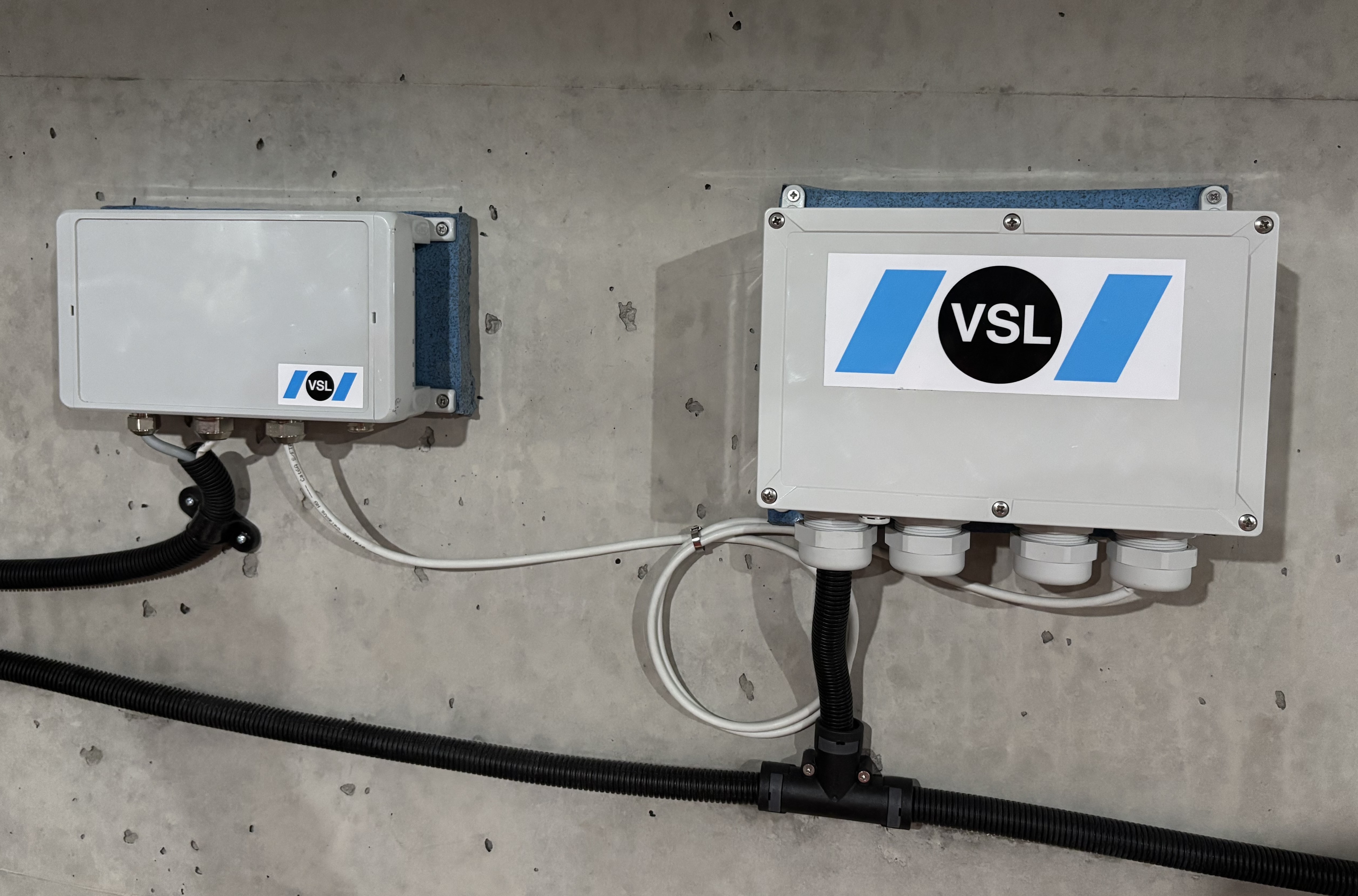
Real-time encapsulation and corrosion monitoring
VSL Smart PT combines PL3 protection with continuous, real-time encapsulation and corrosion monitoring of post-tensioned cables. It offers:
- Real-time data acquisition and alerts
- Remote access for condition assessment
- Retrofit capabilities for PL3-configured structures
- Integration with VSL’s Void Control sensors
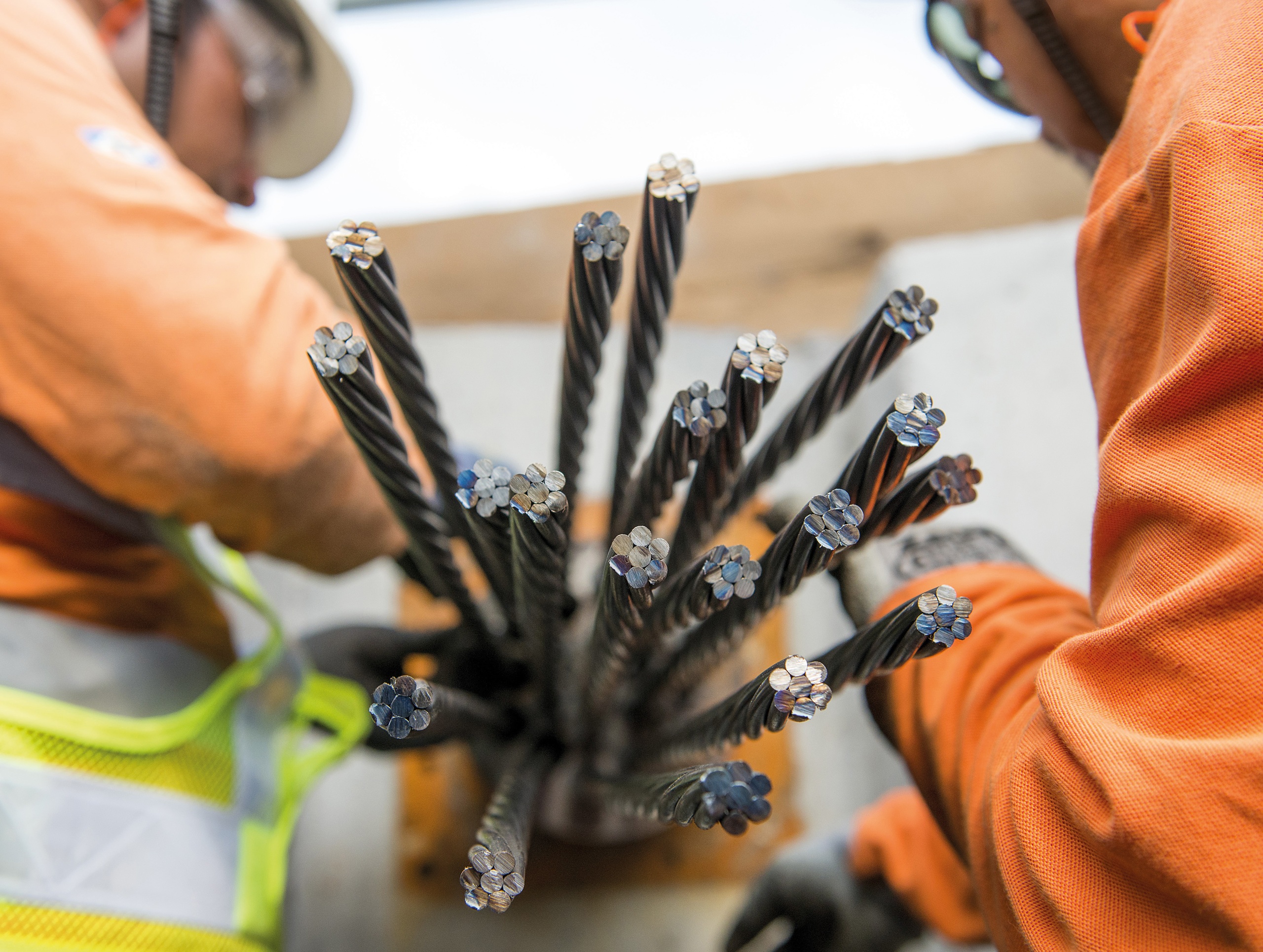
End-to-end services
- Full support from design to installation by VSL-certified teams
- Installation in accordance with EN445, 446, 447 and ISO 14824 standards
- In-house HPI grout design for project-specific conditions
- VSL Academy-certified foremen and engineers ensure workmanship quality

Carbon impact
VSL provides verified GWP values for system components:
- GC anchorage: 2.24 kg CO₂e/kg
- PT-PLUS® duct: 3.08 kg CO₂e/kg
- Monostrand tendons and ducts also assessed under EPD
These values are third-party verified and published under the International EPD® System, ensuring transparency for sustainable design decisions.

Key benefits
- Structural efficiency: Reduces material volumes and enables slender spans
- Durability: Bonded systems with cementitious grout protect against corrosion
- Versatility: Compatible with straight, curved, or inclined tendon layouts
- Sustainability: Reduces embodied carbon through optimized design and material usage
Polymer ducts to protect tendons from corrosion
Key features
Need reliable PL2 or PL3 tendon protection from corrosion as per fib 33 and PTI M50.3 ? Polymer ducts are a smart engineering choice.
- Used for internal bonded tendons
- Made from selected polypropylene
- Compatibility with void-corrosion sensors (VC-sensors)
- Leak-tight couplers for connections, grouting, venting, and VC-sensors.
- Supplied in 11.8m or 5.8m lengths
- Standard colour: black; white recommended in hot countries
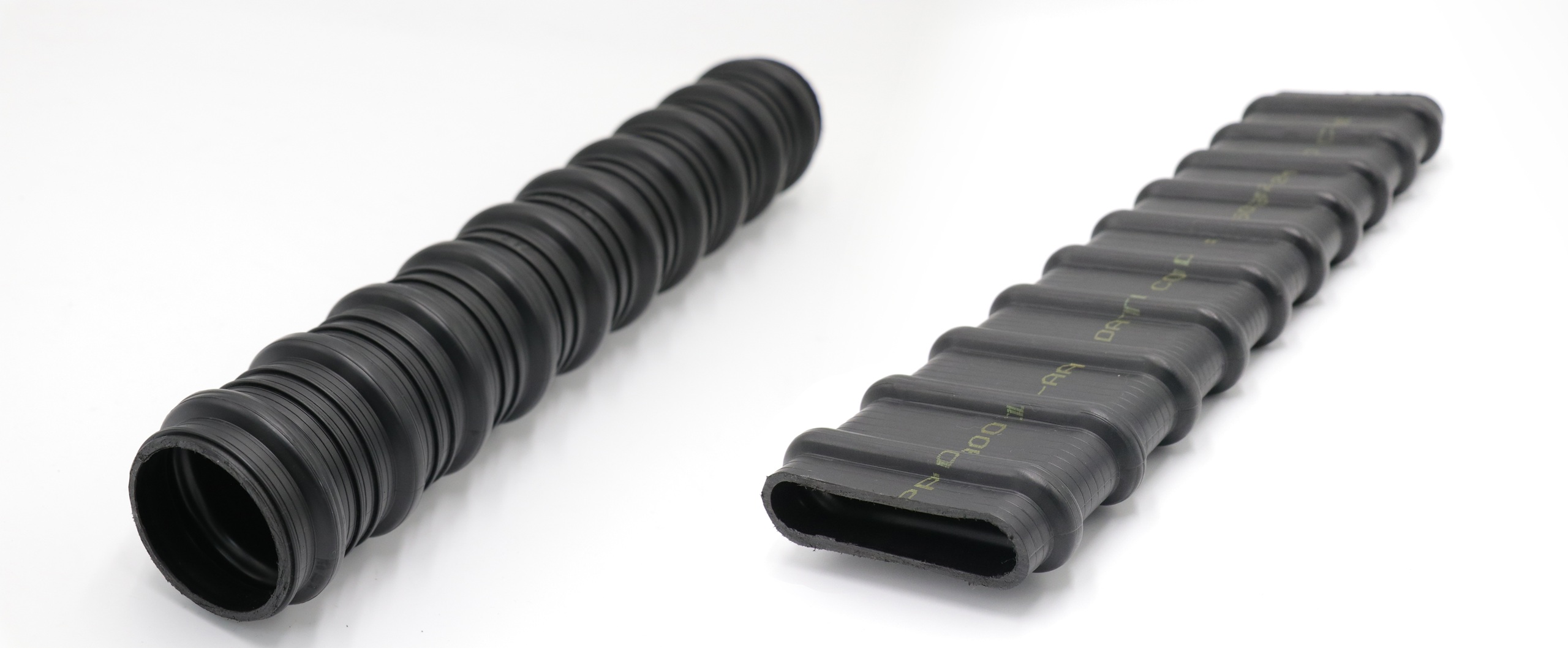
Key Benefits
- Full encapsulation with a leak-tight barrier, even at segment joints
- Reliable corrosion protection, meeting PL2 requirements
- Can be fitted with additional details at the anchorage to provide electrically isolated tendons (EIT) and a protection level PL 3.
- Reduced friction losses, up to +15% effective prestress
- Double fatigue life compared with metal ducts
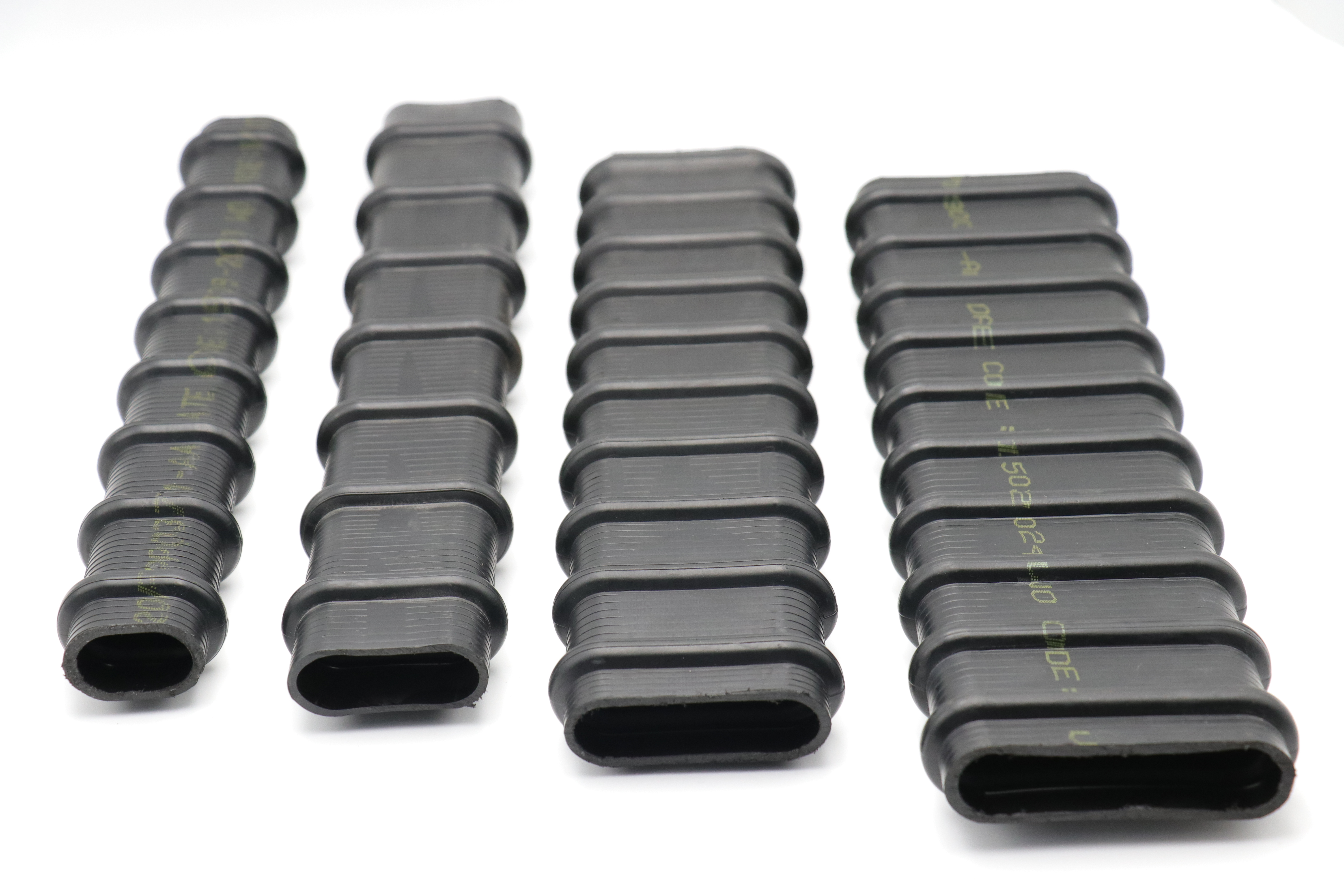
| Duct type | Applications | Connection method | Key features |
| Round duct | Suitable for all post-tensioning applications – PL2, PL3, segmental, span-by-span | Mirror-welding or robust couplers (two half-shells + clamps) | Versatile solution. Download the data sheet. |
| Flat duct | Internal slab tendons in buildings, transverse tendons in bridge decks | Couplers connecting to anchorage transition tube | Minimizes tendon eccentricity, maximizes available static height; supplied in full-length coils. Download the data sheet. |
For tendons from 6-7 to 6-55, VSL PT-PLUS® segmental couplers ensure full encapsulation at segment joints, delivering PL2 or PL3 protection in line with fib 33 and PTI M50.3 standards. They allow the use of electrically isolated tendons in precast segmental structures. Compact and adaptable, the couplers also suit joints where tendons cross at an angle. For reliable performance, implementation must be supported by a VSL engineer, ensuring integration tailored to each project’s specific requirements.
Compare Segmental Couplers
| Feature | Segmental Coupler | Stitch Joint Coupler |
| Construction Method | Match-cast precast segmental | Wet joint precast segmental |
| Sealing Configurations | Double twin face seals or single long seal | Hub seals |
| Offset Tolerance | Does not apply | Up to 20 mm transverse offset |
| Angle Tolerance | Accommodates up to 6° deviation between tendon and segment contact face | Accommodates up to 4° angular deviation |
| Joint Spacing | Up to 5mm | 100 mm to 400 mm |
| Datasheet | Download the data sheet | Project-specific |
From PT-duct-only to full support: what do you need?
VSL supplies a high-quality post-tensioning duct leveraging VSL International’s renowned proprietary systems.
- Compliant with latest standards, multiple diameters and installation radii
- Full VSL quality control from raw materials to delivery
- Low-carbon approach supported by EPDs
- Complete accessory range for encapsulation, coupling and grouting
Best for: straightforward supply-only needs
VSL provides an end-to-end post-tensioning solution for your structures, from design to long-term performance.
- Design support
- Installation
- Maintenance, strengthening and repair
Best for: turnkey projects with full technical and execution support
Need to integrate our technologies into your BIM model?
Explore our BIM Library and Technical Resources Hub!
More than just a collection of BIM-ready files, it’s a simple platform designed to support your technology selection and configuration choices.
Discover even more value in our Hub:
- Technical catalogues
- 400+ technical studies,
- Expert webinars to support your projects with high-quality educational content.
FAQ about internal post-tensioning
Post-tensioning is a concrete reinforcement technique where high-strength steel tendons are placed inside the concrete and tensioned after the concrete has hardened. This creates internal compression that significantly improves the structural performance of the element.
VSL systems are designed for over 100 years of service life with minimal maintenance. Monitoring options like VSL Smart PT further reduce inspection needs.
Through multi-layer encapsulation: PT-PLUS® ducts, VSL-HPI grout, and optional electrical isolation (PL3).
PL1 to PL3 levels are selected based on exposure, design life, and monitoring needs. VSL provides guidance.
Yes. Smart PT and EIT enable real-time or periodic monitoring of tendon condition.
By optimizing design and using components with verified low CO₂ emissions.