

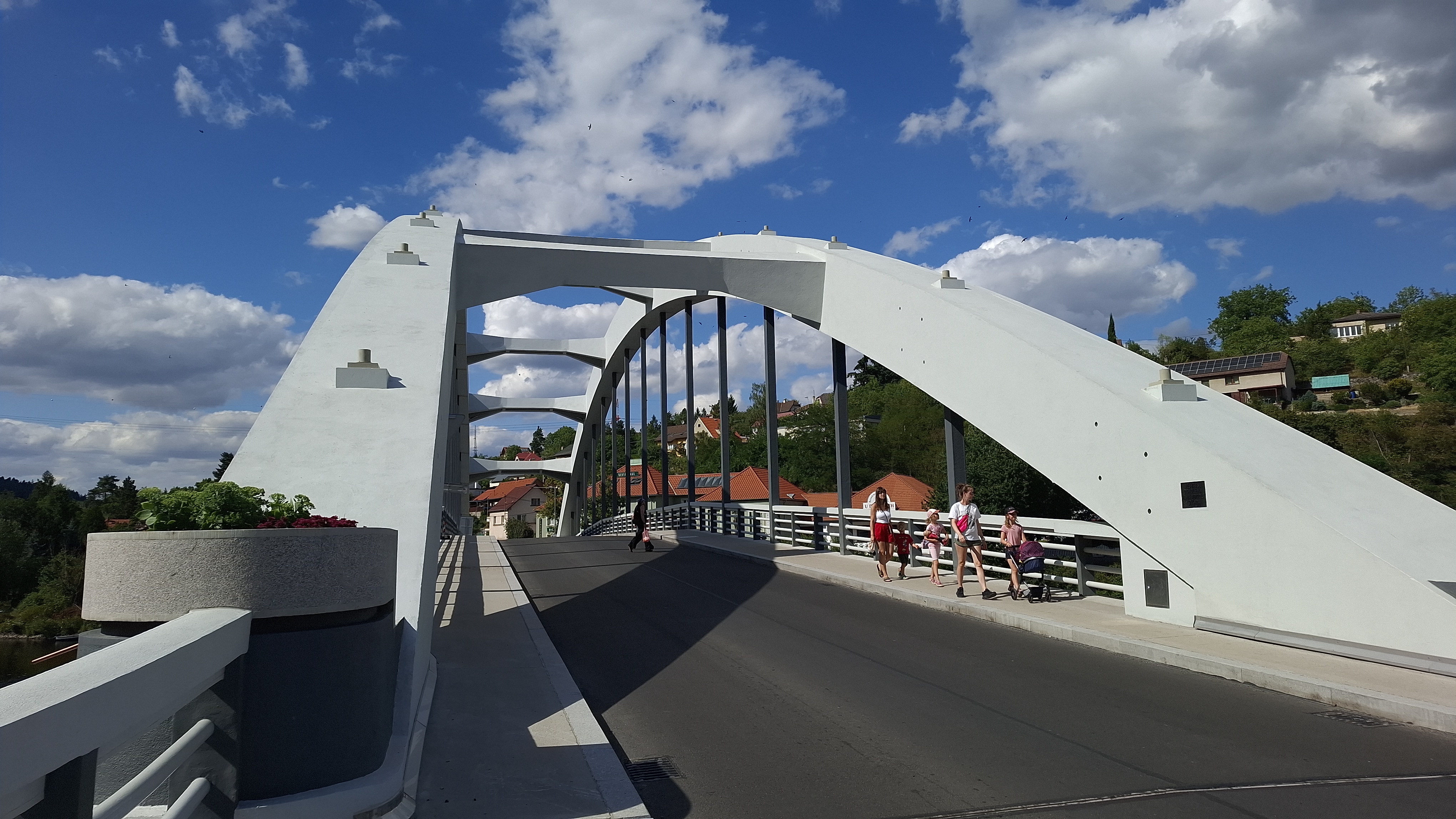
Inspection and Assessment of Heritage Structures
Preserving heritage starts with a clear diagnosis
Understanding a heritage structure’s condition is the first step in preserving it. Historic bridges, viaducts, public buildings, and industrial works often feature complex geometries, aged materials, and undocumented modifications. Subtle deterioration can threaten both safety and cultural value.
VSL supports owners, heritage bodies, and engineers with tailored inspection and diagnostic services. We combine traditional expertise with modern technologies to uncover issues early and support sensitive, informed decision-making.
Our inspection & assessment services
Detailed surface condition assessments, including cracking, settlement, deformation, and material degradation
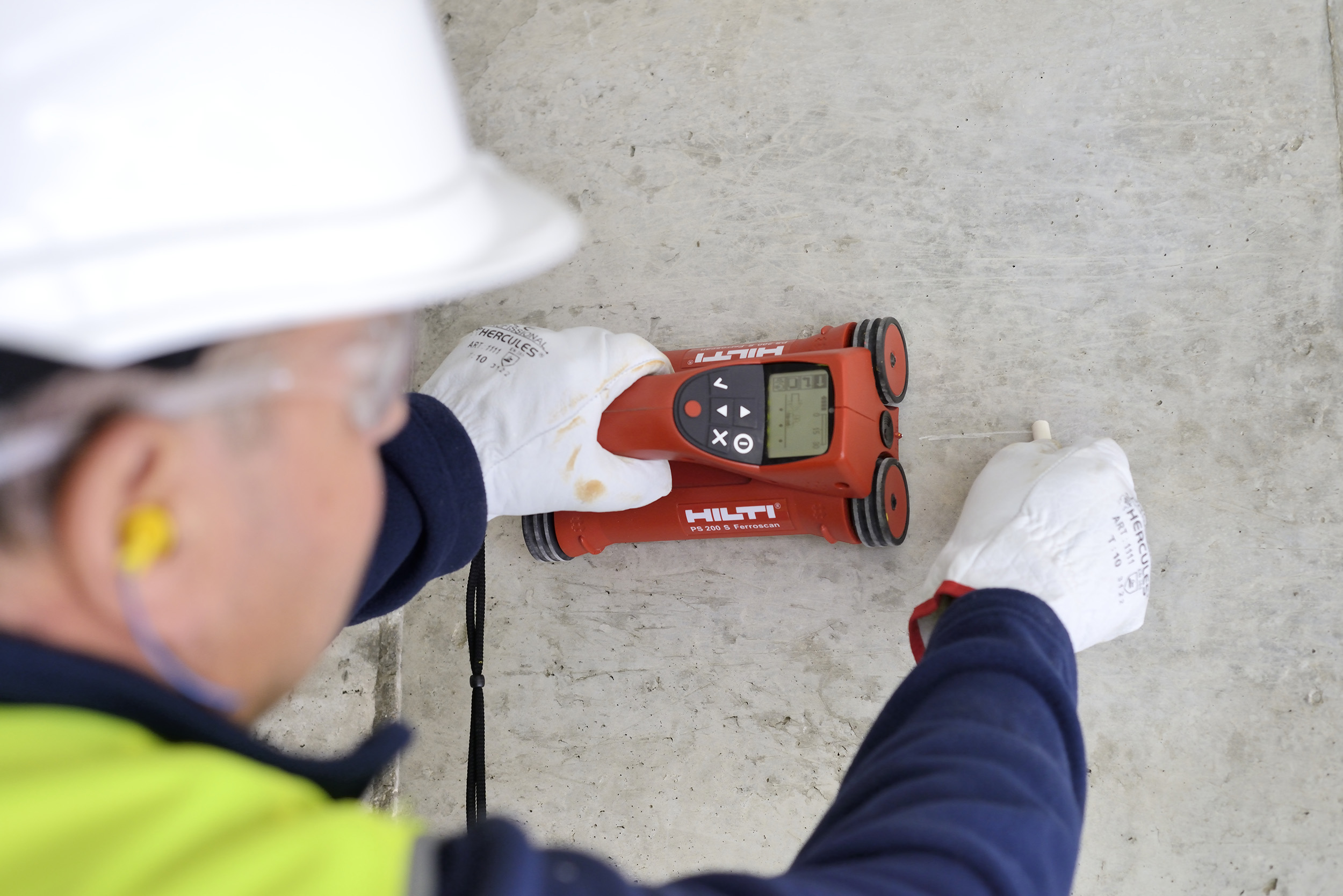
Techniques such as GPR scanning, ultrasonic pulse velocity, and half-cell potential, applied with care to preserve the structure’s integrity
Design and installation of long-term monitoring systems to track movement, strain, or environmental changes
In-situ testing to assess load-bearing behavior and validate original design assumptions
3D scanning and digital twin support to document as-is conditions, support modelling, and guide interventions
Innovation through partnerships
Our partnerships bring state-of-the-art non-invasive methods to heritage structure inspections.
Why choose VSL for the inspection of your structure?
Expertise in historic materials and construction
Our teams understand the unique pathology of old stone, timber, brick, and early concrete.Gentle, non-invasive techniques
We minimize intervention and avoid nonreversible damages, using reversible methods whenever possible.Actionable insights
We deliver not just observations, but tailored recommendations to guide conservation and repair strategies.Trusted by preservation stakeholders
We work alongside architects, archaeologists, art conservators, heritage authorities, and structural engineers on landmark restoration efforts.
FAQ about heritage structure inspection
Yes. We prioritize non-invasive techniques, including visual inspections, NDT, and remote monitoring to preserve authenticity whenever possible.
Historic assets often lack detailed design records and use materials or methods no longer standard, requiring adapted approaches.
Absolutely. We coordinate with heritage authorities and contribute data or reporting to support approvals and funding requests.
We use specialized techniques, such as sonic pulse testing or radar scanning, to evaluate condition without damage.
Yes. Long-term monitoring helps track deformation, settlement, or environmental effects with minimal disturbance.