

Maintenance of Marine Structures
Preserve performance and avoid costly disruptions
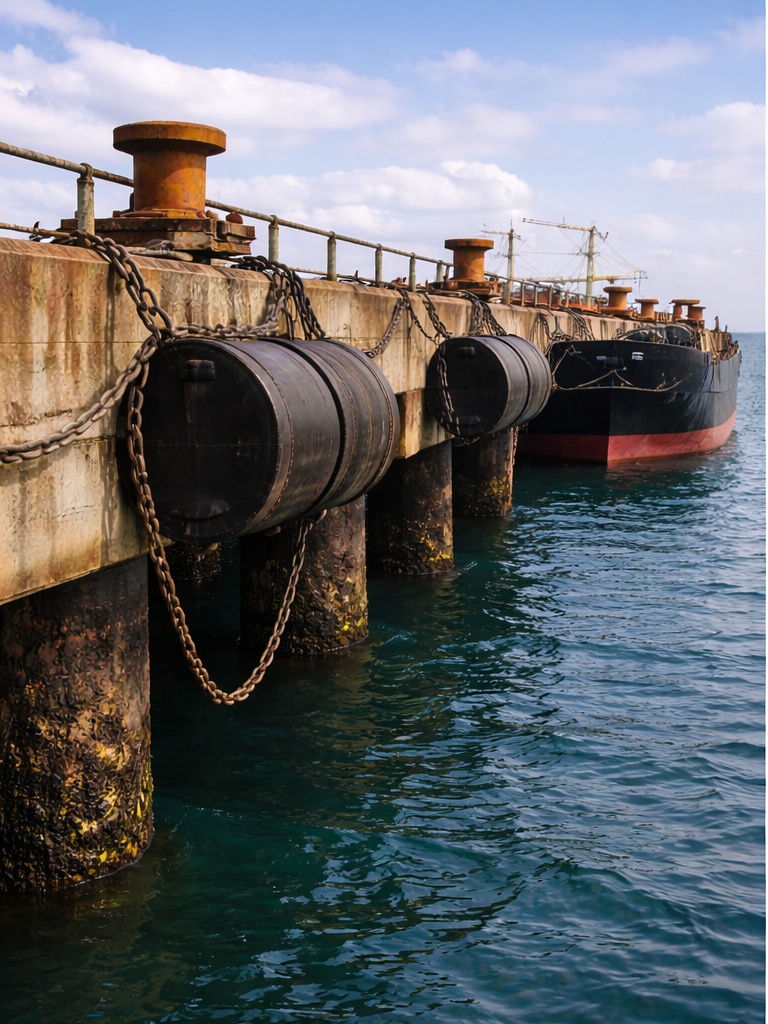
Saltwater, waves, tides, and wind wear–down marine infrastructure every day. Even before visible damage appears, corrosion, erosion, and fatigue can threaten safety and continuity of performance.
VSL provides targeted structural maintenance services to help owners preserve the value, function, and compliance of marine assets, from jetties and wharfs to seawalls and lock gates.
Our services for the maintenance of marine structures
- Cleaning by jetting or sandblasting
- Anti-corrosion paints and waterproofing membranes
- Maintenance of architectural finishes and protective systems
- Low cover correction, concrete repairs and corrosion inhibitor application
- Cathodic protection system checks, installation and upgrades
- Re-alkalisation or chloride extraction where needed
- Inspection and replacement of expansion joints and bearings
- Synchronized jacking to ensure safe and uniform displacement
- Grouting and alignment for support components
- Expert lead visual inspections and non-destructive testing
- Force adjustments and tension re-calibration
- Protection upgrades
- Maintenance of active ground anchors and dampers
- Installation and maintenance of safe access equipment in tidal or confined zones
Why choose VSL for the maintenance of your marine structure?
Solutions built for the sea
We use proven materials and techniques that perform under tidal, submerged, and chloride-impacted environments.Minimal disruption
Our solutions are designed to minimize interference with port operations, marine traffic, and safety systems.Long-term focus
With lifecycle insights and data-driven decisions, we help optimize asset use and reduce future repair needs.
FAQ about the maintenance of marine structures
Rust staining, cracking, spalling, coating deterioration, unusual movement, or vibration are key indicators.
Yes. VSL uses barges, cofferdams, and specialized access solutions to carry out works under live conditions to suit the operation’s critical activities and schedules.
We recommend annual visual checks and periodic interventions every 3-5 years, depending on the structure’s exposure, history and material composition.