

VSL Slab on grade
VSL’s post-tensioned slab-on-grade system offers durable, cost-efficient industrial flooring and heavily loaded external pavements. It minimizes cracking and joint maintenance, ensuring long-term performance under heavy loads, temperature changes, and harsh environments. Widely applied in logistics, manufacturing, and transport facilities, it enhances sustainability and reliability.
Why choose VSL Slab on grade system
VSL’s slab-on-grade system uses post-tensioning to eliminate most joints, improving slab durability and reducing lifecycle costs. Designed to control cracking and withstand severe industrial and heavy loading conditions, the system ensures optimal structural performance and reduced maintenance in demanding environments.
Key features

Applications
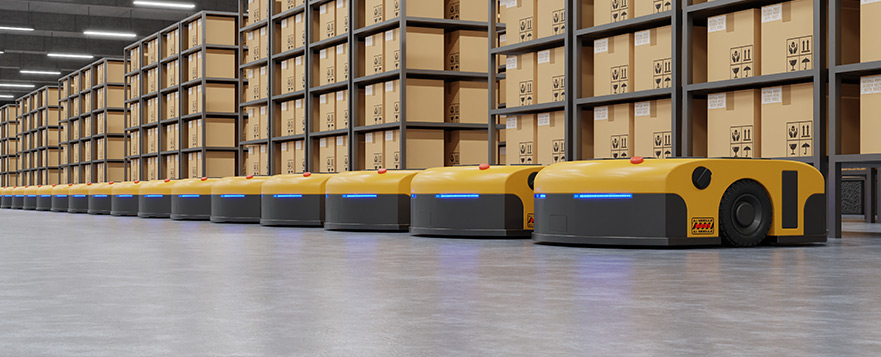
VSL’s post-tensioned slab-on-grade systems are used in warehouses, data centers, manufacturing plants, cool rooms, aircraft hangars, heavy-vehicle workshops, and port or rail terminals. They are ideal for robotic warehouses, clean industries such as pharma or food, and heavily loaded areas on poor soils requiring pile foundations. The system also provides durable, watertight bases for large water tanks and reservoirs.

Design and Performance
The VSL Slab on Grade system optimizes slab thickness, post-tensioning, and concrete strength to resist shrinkage, temperature gradients, rolling loads, and soil movements.
Post-tensioning enhances flexural and tensile capacity, controlling deflection and curling. The system provides durable, adaptable flooring with flexible design options to meet diverse project requirements and standards, ensuring long-term performance in demanding conditions.
Accessories
VSL designs each slab system to project-specific needs. Key options include:
- Sub-base design and material selection for optimal load transfer
- Joint treatments and tendon positioning tailored to equipment layout
- Surface finishing for functional or decorative performance
- Coating compatibility for epoxy, quartz, or bituminous overlays

End-to-End Services
VSL offers turnkey slab-on-grade execution services, including:
- Ground assessment and subgrade preparation
- Preliminary and final design with cost optimization
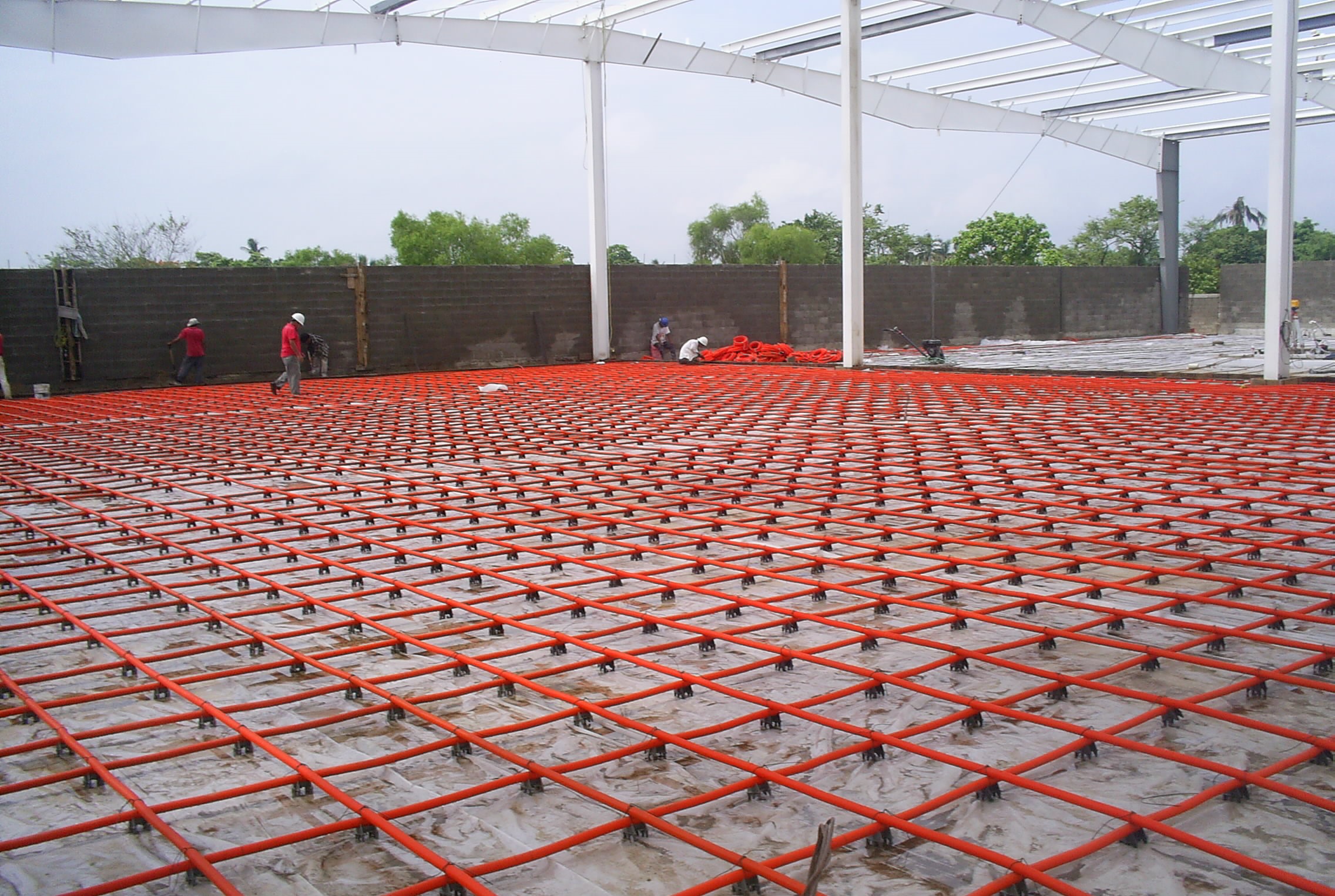
- Supply and installation of reinforcement and PT components
- Concrete placement, finishing, curing, and optional coatings
VSL’s local teams ensure quality control, efficient construction sequencing, and full compliance with international standards.

Carbon Impact
By using up to 30% less concrete than conventional slabs, the VSL Slab on Grade system reduces CO₂ emissions and resource consumption. Additional sustainability benefits include:
- Lower energy use and raw material demand
- Extended slab lifespan, minimizing demolition and waste
- Reduced maintenance and operational disruptions
This solution supports clients in meeting their environmental and lifecycle cost targets.
Key benefits
- Joint-free surfaces: Up to 30,000 m² with no joints
- Reduced maintenance: Less joint repair, less equipment wear
- Crack control: Pre-compression minimizes risk of cracking
- Fast-track construction: Large pours of over 2,500 m²
- Load-bearing capacity: Engineered for high static and dynamic loads
- Versatility: Adaptable to aggressive environments and expansive soils
FAQ ABOUT VSL SLAB ON GRADE
A post-tensioned slab on grade is a concrete floor slab directly cast on soil or sub-base, with internal steel tendons tensioned after curing to improve structural performance and reduce cracking.
When properly designed and maintained, VSL slabs can last several decades with minimal intervention thanks to reduced cracking and high load capacity.
Yes. The system is proven for wide-temperature applications such as freezer rooms and industrial refrigeration environments.
- How is post-tensioning applied in industrial flooring?
- What makes joint-free slabs more durable?
- How does VSL compare to traditional reinforcement in slabs?