

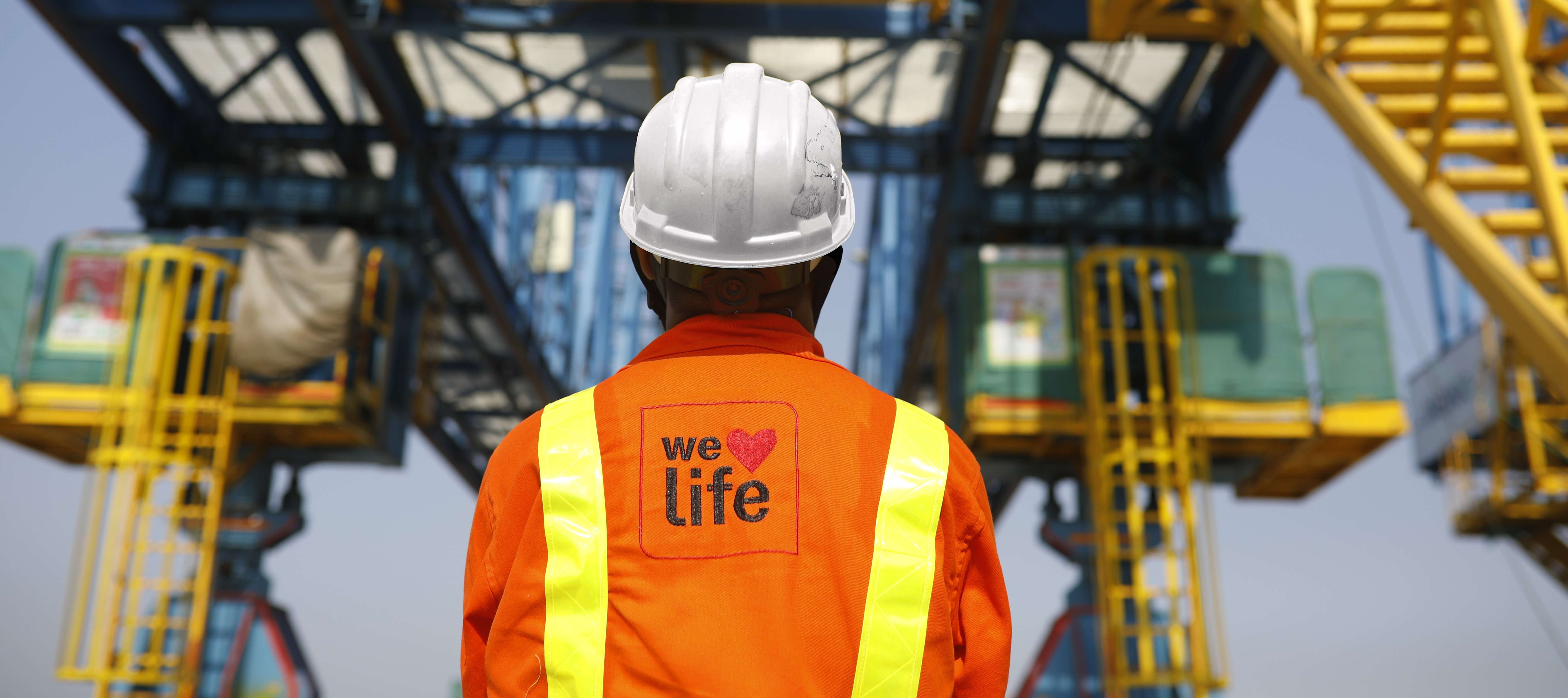
Health & Safety at VSL International
At VSL, we put the Health & Safety of our people above everything – and deliver projects with discipline, reliability, and care.
Safety is not a requirement. It is how we work.
Our culture is built on five essential behaviours:
- Visible safety leadership
- Frontline engagement
- Anticipation and mitigation of risks
- Transparency
- Vigilance
Safety Leadership on site
Strong safety performance starts with leadership in the field.
Our project managers, engineers, and supervisors lead by example, engage with frontline teams, and actively eliminate risks before work begins.
Safety leaders at VSL:
• verify risks are understood
• confirm mitigations are in place
• ensure resources are available
• set clear behavioural standards
• listen to our teams with care
All staff are required to attend our Safety Leadership training program, to strengthen leadership capability across projects.
How we turn commitment into daily safety
Every task begins with structured briefings reviewing risks, methods, and responsibilities to ensure safe execution.
Our digital vigilance application allows teams to identify hazards, report issues instantly, and share alerts across projects – strengthening prevention and collective learning.
Each year, teams worldwide participate in Safety Week to share best practices, reinforce lifesaving rules, and strengthen engagement.
Our Safety Academy develops expertise, strengthens competencies, and equips teams to lead safe operations consistently.

Managing major risks
Within Bouygues Construction, analysis shows that 80% of serious accidents are linked to six major risks:
- Hazardous energies
- Work at height
- Stability
- Collision
- Powered production equipment
- Lifting
To prevent them, 10 Lifesaving Rules are systematically applied across all operations. These rules represent non-negotiable behaviours and form our last line of defence against severe incidents.

A Just and Fair safety culture
At VSL, safety is built on fairness and accountability.
When incidents or near misses occur, behaviours are assessed at every level to understand causes and apply the right response – from recognition of good practices to coaching or corrective measures when required.
A structured decision tool supports all incident and high-potential event reviews, ensuring consistency, transparency, and continuous improvement.